
Peer Support in Addiction Recovery – Why Community Helps Healing
When we hear about formal treatment programs for more serious substance problems, we often hear highlights such as staff qualifications, education, experience, credentials, and years of service. Those things matter. What we do not hear about as often is something that repeatedly appears in exit interviews, satisfaction surveys, and feedback forms: the impact of being in community with peers; peer support in addiction recovery. For many people, hope and healing begin when they are with others who truly understand what they are going through.
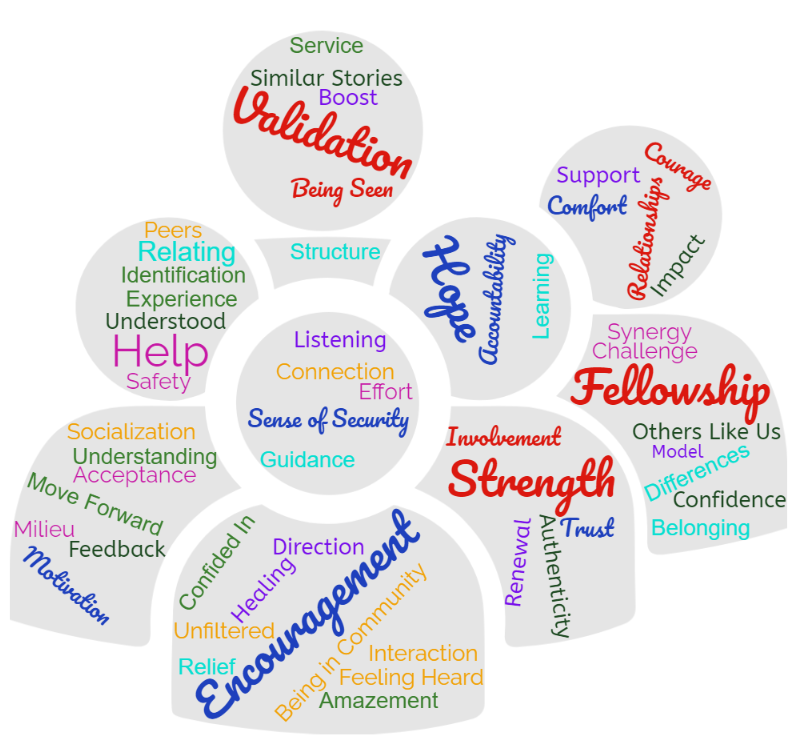
Why Peer Support in Addiction Recovery Matters
The newcomer in a treatment setting often feels unsure, hesitant, and guarded. Many people initially sit back and observe what happens around them.
Then something important often occurs.
They hear people who have been there longer share thoughts and experiences that sound deeply familiar. The newcomer realizes:
- I am in the right place.
- Someone understands me.
- I am not alone.
- Others have lived what I lived.
That moment of identification can be powerful. It often helps a person find hope and begin the healing process.
According to Substance Abuse and Mental Health Services Administration, peer support services can play an important role in recovery by promoting connection, hope, and engagement in treatment.
The Value of Recovery Community Support
Staff members of all kinds—kitchen, housekeeping, nursing, counseling, facilities, and more—make an important difference through their work. Their combined efforts create a safe and healing environment.
But who is available in the moment?
Who can relate exactly right now?
Who understands from lived experience?
Often, it is peers.
That is the value of recovery community support. Sometimes the person who understands most clearly is someone walking the same road.
How Peers Model Recovery
When a peer who has been there longer does their own recovery work, it becomes an example for others.
Watching someone else take healthy risks and engage in recovery can inspire:
- Greater self-acceptance
- Confidence to try
- Courage to see if change is possible
- Willingness to take action
- Openness to receiving support
This is one of the strongest benefits of group treatment—people witness recovery in real time.
Why Messages From Peers Can Land Differently
It is natural for some people to hear guidance skeptically from an employee or authority figure. But hearing the same message from a peer can feel different.
Many people accept truth from a peer that they might reject from anyone else.
That is because peer messages often come with credibility, humility, and shared experience.
Healing Through Peer Connection
Sometimes being away from home with relative strangers shows us something unexpected: even in our darkest moments, we still have something to offer others.
And they have something to offer us.
Moments of trust, vulnerability, and being confided in can be deeply healing. They help people learn how to trust again and move forward.
This kind of healing through peer connection often becomes one of the most meaningful parts of treatment.
Learning Relationships in Recovery
Within a peer community, people often learn to:
- Learn from differences
- Grow through disagreements
- Navigate emotions without becoming overwhelmed
- Build healthier boundaries
- Practice communication and accountability
These relationship skills can support long-term recovery well beyond treatment.
Final Thoughts: The Difference Community Can Make
Relationships in a community of peers can make a difference.
Sometimes the difference.
Community reminds people that they are not alone, that healing is possible, and that hope can grow through connection. For many, peer support in addiction recovery becomes one of the most powerful parts of the journey.
Resource
National Library of Medicine: Voices of Hope: Substance Use Peer Support in a System of Care